Posts

What is Operating System: Exploring the Building Blocks of Computer Science

Image
1. Introduction An operating system (OS) is a software program that manages the hardware and software resources of a computer system. The OS is responsible for managing the computer's memory, processing power, storage, and input/output devices. It also provides a user interface that allows users to interact with the computer and run applications. In this blog post, we'll explore the history of operating systems, the types of operating systems, the functions of operating systems, the components that make up an operating system, virtualization and containerization, security considerations, and the future of operating systems.

Mastering Regression Testing: Best Practices, Tools, and Techniques

Image
  1. Introduction What is regression testing? Why is regression testing important? Types of regression testing 2.  Difference between Re-Testing and Regression Testing 3. Test Planning Define the scope and objectives of regression testing Identify the regression test suite Determine the regression testing schedule Assign responsibilities 4. Test Case Design Identify test cases for regression testing Prioritize test cases based on risk and impact Document test cases 5. Test Execution Setup test environment Execute regression tests Record and analyze test results Report defects 6. Test Maintenance Update regression test suite Remove obsolete test cases Re-prioritize test cases based on changing requirements 7. Automation Advantages of automation Selecting the right automation tool Developing and maintaining automated test scripts 8. Tools for Regression Testing 9. Best Practices Use of version control Collaboration among team members Test data management Defect management 10. Co...

Best 8 Programming Languages for Artificial Intelligence

Image
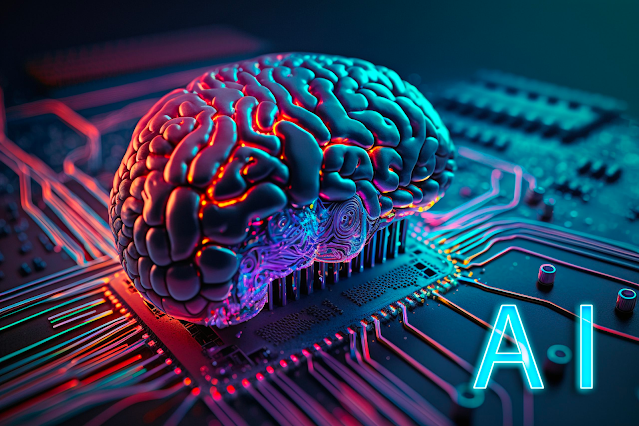
Artificial Intelligence (AI) has revolutionized the way we interact with technology and has become an integral part of various industries, from healthcare to finance and beyond. Behind the impressive AI applications and systems, there are powerful programming languages driving the algorithms and models. In this article, we'll explore the best programming languages for AI, each offering unique advantages depending on your project's requirements. 1. Python Python is the undisputed king when it comes to AI and machine learning. Its simplicity, readability, and extensive libraries make it the go-to choice for AI developers. Libraries like NumPy, TensorFlow, PyTorch, and scikit-learn provide robust support for data manipulation, neural networks, and machine learning models. Python's community is vibrant, and countless AI resources, tutorials, and frameworks are available, making it an ideal choice for beginners and experts alike. 2. R R is another popular language in the field o...